Coming Winter 2027
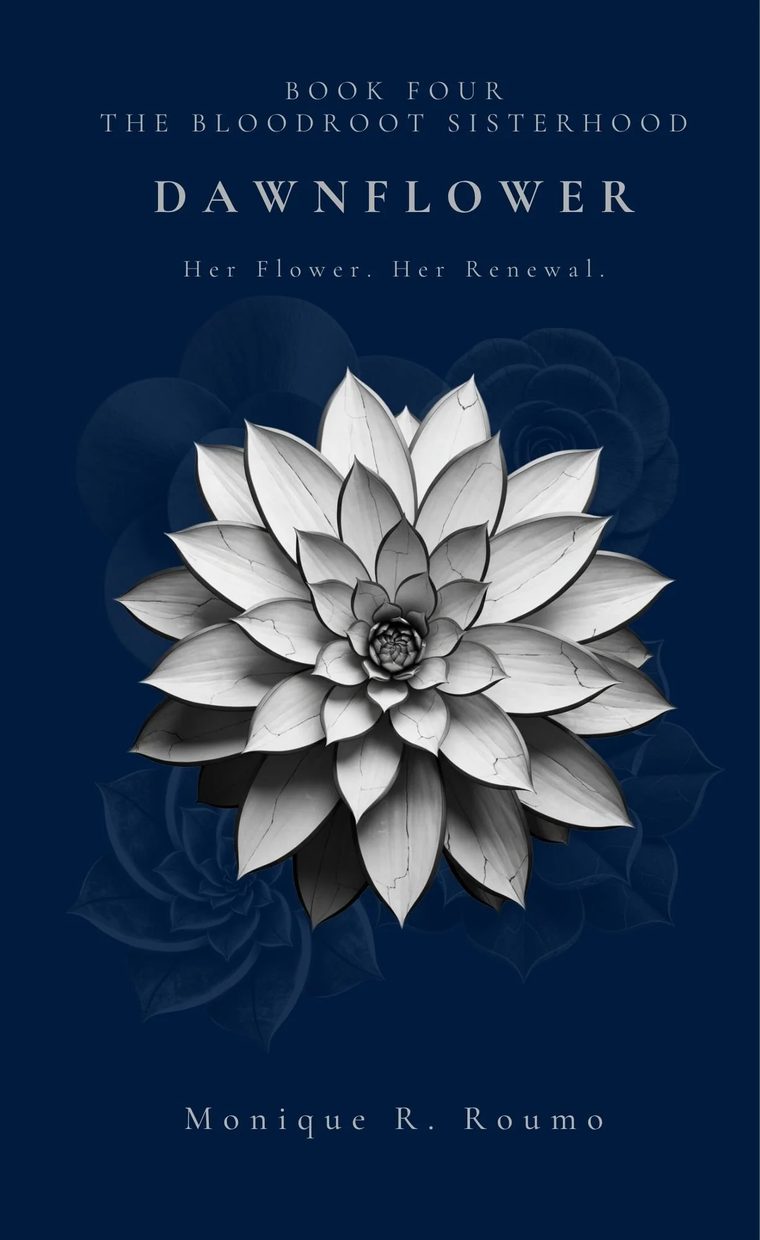
Book Four · The Bloodroot Sisterhood
Dawnflower
Her Flower. Her Renewal.
Healing is a circle, not a chain. And it's time to close the loop.
The Circle of Healing
The Healer's Song

The Story
At thirty, Jendayi Rudo is hollow.
Not empty—she has never been empty. She's been poured out. Drained. Given and given and given until there's nothing left but the compulsion to keep giving, because stopping feels like death, and being needed feels like love.
Twelve years ago, her mother Divine told her: "You are allowed to speak." But Jendayi never learned what to say except "yes." Yes, I'll heal you. Yes, I'll carry that. Yes, I'll sacrifice myself so you can be whole. The Dawnflower—her mother's motif of restoration—blooms brilliantly for everyone but her. She opens with the first light, radiant and generous, and by midday she's withered, petals scattered, roots bleeding into soil that gives nothing back.
This is not healing. This is martyrdom dressed in dawn colors.
When Kelechi crashes into her life—a traveling healer who refuses to be healed, who sees her compulsive giving not as gift but as slow-motion self-destruction—Jendayi is confronted with an unbearable question: What happens when the healer needs healing? What happens when giving isn't love but avoidance? What happens when you've been disappearing into other people for so long you can't remember who you are when you're alone?
He doesn't ask her to save him. He asks her to stop . To rest. To let someone else carry the weight. To admit that her worth isn't measured by what she gives but by the fact that she exists at all.
It feels impossible. Selfish. Wrong.
But the Dawnflower is dying. And Jendayi must choose between the martyrdom that's killing her and the terrifying intimacy of reciprocity—of being seen, being held, being loved not for what she gives but for who she is when she's not giving anything at all.
Her mother's final gift wasn't the power to restore others. It was permission to restore herself.
Healing is a circle, not a chain. And Jendayi is learning to close the loop.
The Vibe
- The caretaker gets cared for
- Magical & emotional burnout
- Intimacy through vulnerability
- Learning to rest
- Reciprocity as revolution
- "You don't need fixing—you need receiving"
The Hearts of Dawnflower
Characters
Jendayi Rudo — The Healer's Song Protagonist
The youngest daughter is blunt, vocal, and fiercely compassionate—but her gift has become her cage. She pours herself into mending others because being needed is the only way she knows how to matter. Her fear isn't death. It's being forgotten. And she's slowly erasing herself to avoid it.
Motif: The Dawnflower — opens with first light, blooms through reciprocity, wilts when healing is given without receiving. A sustained bloom requires both giving and receiving.
Her Arc: From self-erasure through over-giving to renewal through reciprocity. Learning that true healing requires receiving, not just giving. That "I am allowed to be whole" is a complete sentence.
Kelechi — The Traveling Healer Love Interest
Patient and kind but insistent on reciprocity. Kelechi sees Jendayi's compulsive giving for what it is—a shield against her own needs—and refuses to let her disappear into him. He doesn't want to be healed by her. He wants to heal with her.
His Message: "If you give without taking, you will break." And: "Healing is a circle, not a chain."
Mahari — Jendayi's twin, whose arc of finding her voice intersects with Jendayi's journey. The twins must learn to stop enabling each other's self-destruction and stand as equals rather than caretaker and caretaken.
Elder Yara — An old herbalist who bluntly warns Jendayi she'll burn out if she doesn't change. Her message echoes Divine's final gift: permission to receive.
The Sisters — Yamara and Chisara, watching their youngest sister spiral and learning when to intervene and when to let her find her own way.
The Dawn of Renewal
The World
The Village of N'Kwali
Now under constant threat from the Office, the village has come to depend on Jendayi's healing. Her gift has made her essential—and that essentialness is killing her. Everyone needs her. No one thinks to ask what she needs.
The Healing Circles
Jendayi must learn to transform her role from sole healer to teacher—empowering the villagers to care for each other rather than depending entirely on her. Revolution through reciprocity.
The Cost of Giving
What This Book Explores
Caretaker Burnout The exhaustion of being the one everyone depends on. The way "helping" can become hiding. The slow erosion of self that happens when you pour out without refilling.
Self-Worth Through Usefulness What happens when your value is tied to what you give? When you've never learned to exist without earning your place?
Fear of Being Forgotten The terror beneath the giving—if I stop, will anyone see me? If I rest, do I disappear?
Reciprocity in Love Learning that receiving is not weakness, and relationships require balance. That letting someone care for you is an act of trust, not failure.
Permission to Rest To need. To receive. To exist without earning it. To discover that you are worthy of love simply because you exist.
The Dawn Truth
"Her mother's final gift wasn't the power to restore others. It was permission to restore herself."
The Fine Print
Tropes:
Caretaker finally gets cared for
Fixer-upper meets "you don't need fixing"
Soft exhaustion
Intimacy through vulnerability
Slow-burn tenderness
Learning to rest
"Healing is a circle, not a chain"
Themes
- Self-erasure vs. self-claiming
- Burnout and renewal
- Reciprocity in love
- Twin bonds
- Permission to receive
Representation
- Black women protagonists
- Healer/caretaker representation
- Twin representation
- Burnout recovery
Romance
- Slow-burn
- Tender reciprocity
- "He won't let her disappear into him"
The Sisterhood Continues
Series Information
DAWNFLOWER concludes The Bloodroot Sisterhood saga with Jendayi's story of reciprocity, wholeness, and discovering that true healing requires receiving, not just giving.
Reading Order
- The Tea Witch's Garden — Divine's story
- Ironbloom — Yamara's story
- Stoneflower — Chisara's story
- Moonpetal — Mahari's story
- Dawnflower — Jendayi's story (you are here)
The other doors
Read them in any order. Each is a complete novel with its own arc and its own love story. Whichever one you read last is the one that closes the garden.
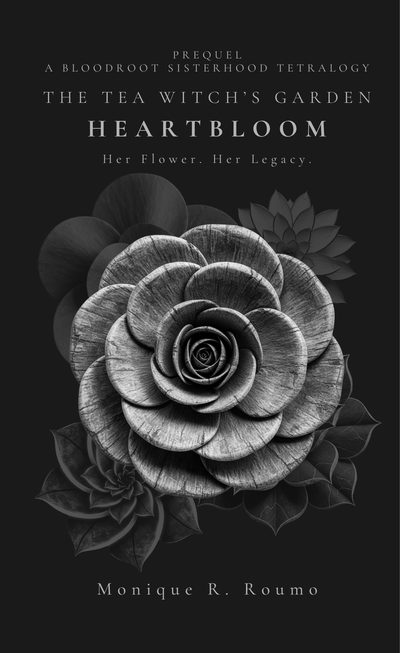 Prequel · Start here
The Tea Witch's Garden
Divine
Prequel · Start here
The Tea Witch's Garden
Divine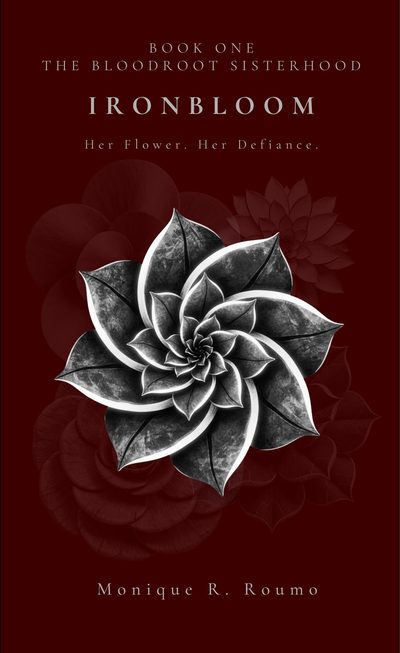 Book One
Ironbloom
Yamara
Book One
Ironbloom
Yamara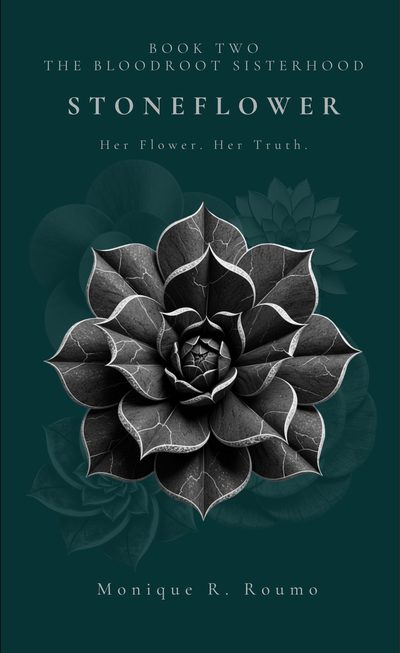 Book Two
Stoneflower
Chisara
Book Two
Stoneflower
Chisara Book Three
Moonpetal
Mahari
Book Three
Moonpetal
MahariThe Bloodroot Sisterhood
Join the Sisterhood
New books, release dates, and the occasional letter from the garden. No noise. Unsubscribe whenever you like.